

UX Research | UX Design
This project brings together research, design, and real legal workflows to create a clearer and more helpful AI-supported justice experience. My goal was to understand how legal professionals work and design small but meaningful improvements across their key tasks, from managing cases to reviewing documents.
snowLEX
Challenge
The core challenge was to design an AI-supported legal workflow that could unify fragmented tools, ensure confidentiality, reduce the cognitive load of document-heavy tasks, and deliver context-aware, trustworthy guidance within a seamless end-to-end experience.
Solution
The solution was to build a modular, AI-enhanced ecosystem that unifies document intelligence, research verification, drafting assistance, an in-context legal chat, and a structured archive & notes space into a single cohesive platform—delivering secure, context-aware automation that simplifies workflows and supports legal professionals from initial analysis to long-term case management and final execution.

Research Approach
As part of this project, I conducted interviews with legal professionals and law students in Finland to understand how they interact with AI-powered legal tools in their daily work.
My goal was to learn which tasks require the most effort, what kinds of challenges they encounter while using digital systems, and which features would better support their studies and professional responsibilities.
Research findings were synthesized into empathy maps, personas, and user journey maps to translate qualitative insights into actionable design directions.
These conversations helped ground the design direction in real practices and needs—shaping a solution that reflects how legal users read, research, draft, and manage information.
Insights

1-Integrated & Effortless Workflows
Users want all tasks—reading, drafting, reviewing, research, chat and AI support—to happen within one seamless environment without switching between tools.
2-Trust, Security & Legal Accuracy
Confidentiality and data security are essential. Users expect reliable, verifiable information and AI that understands their specific legal system.
3-Legal Context Awareness
Users expect AI tools to adapt to regional laws, legal systems, and specific practice areas rather than relying on generic models.
4-Preference for Structured Interfaces
Structured, form-based interfaces—such as tables with multiple editable rows—can be more efficient and intuitive than relying solely on chat-based interactions.
5-Enterprise Data Integration
Users need an AI system capable of securely integrating with their organization’s internal data and processing it effectively to support their legal workflows.
Ideation
The project emerged from the need to move beyond chat-based AI and create a controlled legal workspace that supports professional judgment and accountability.
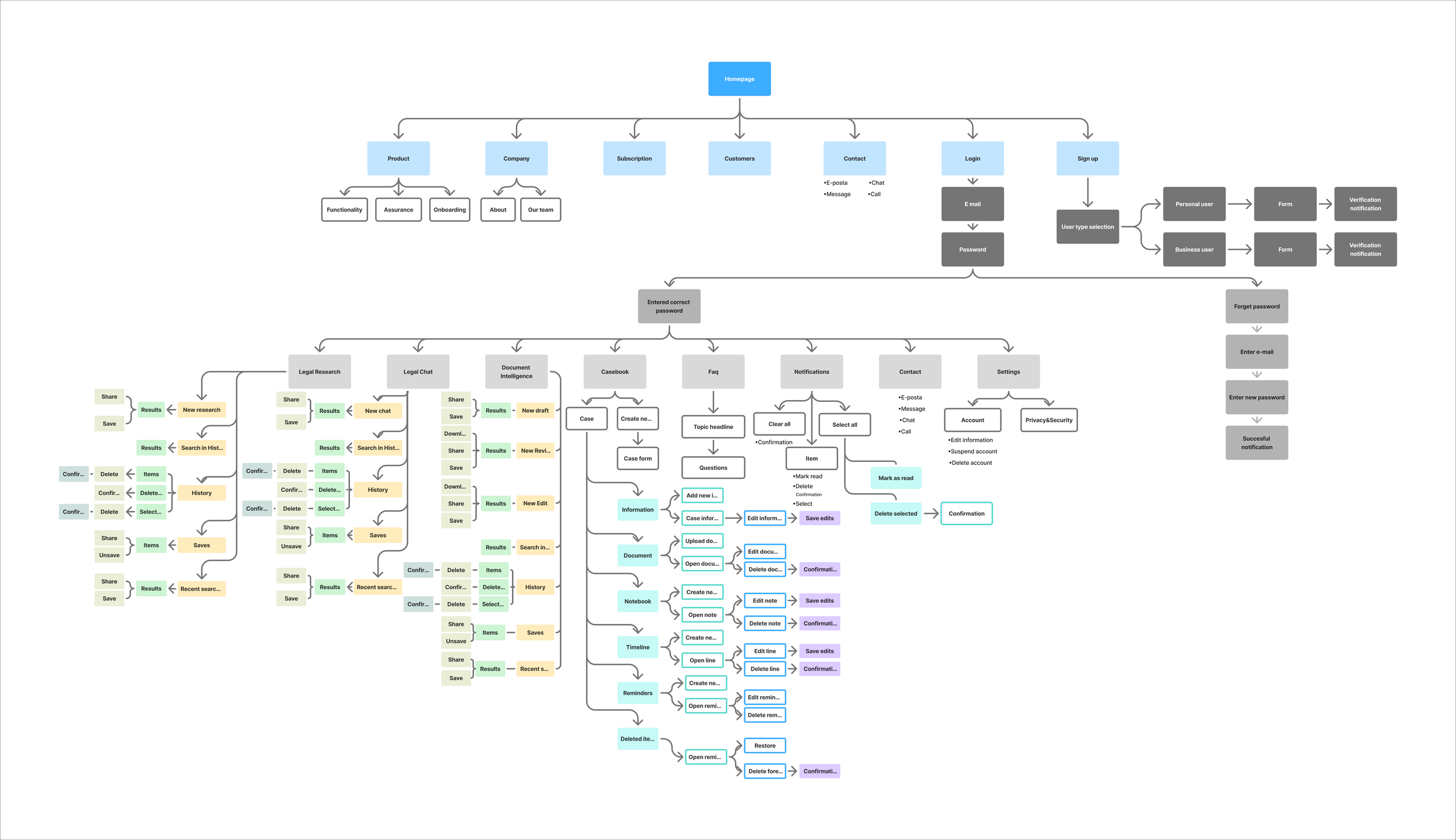
Based on this direction, core functionalities were clearly defined, while areas for future development were identified and structured separately. This separation informed an information architecture structured around end-to-end legal workflows, with a sitemap that supports clear navigation and scalability.
Solutions
Core Functionalities
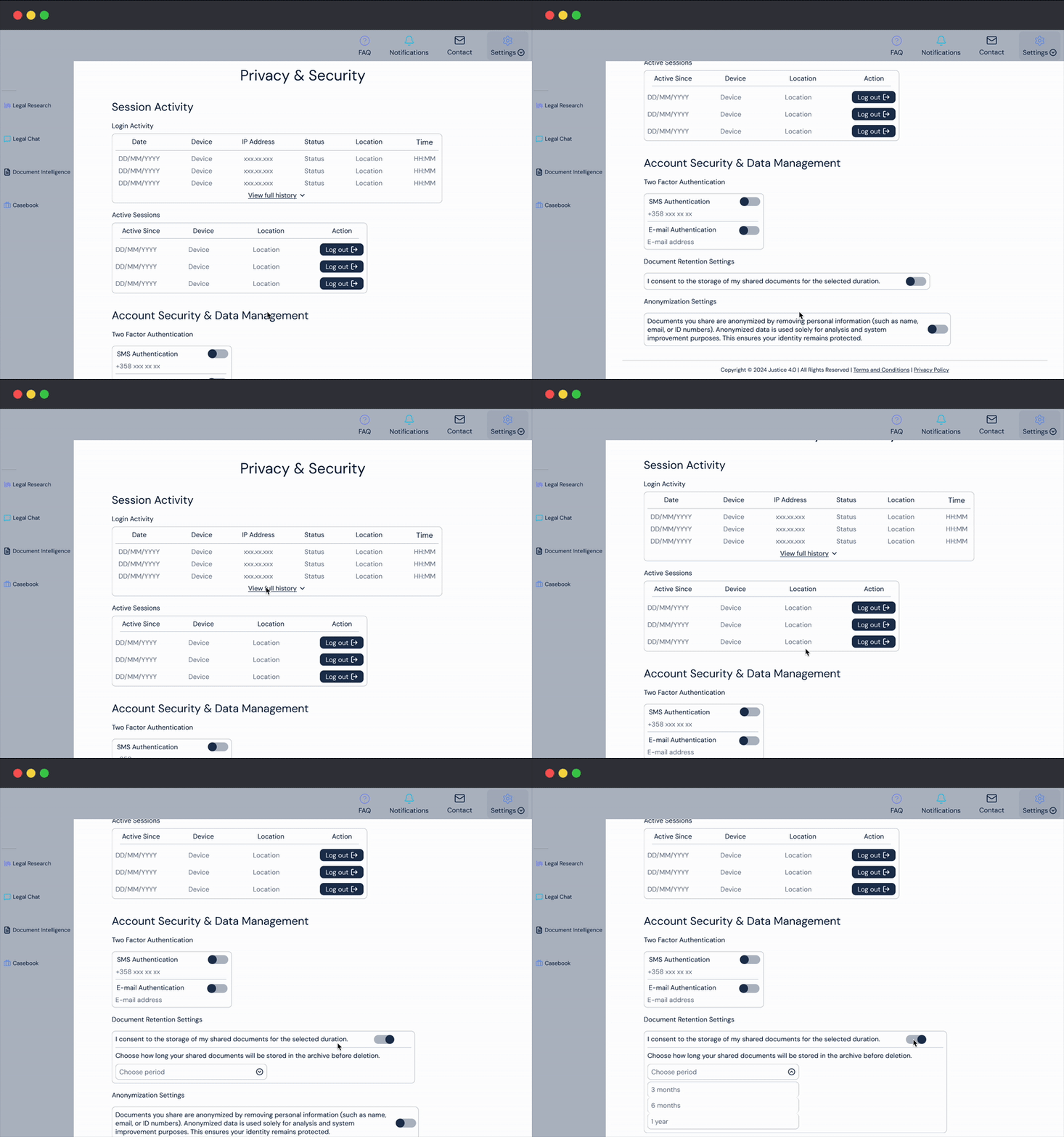
The platform consolidates legal research, legal chat, intelligent document processing, and structured case management into one integrated environment, supporting the entire legal workflow from analysis to drafting and review.
Secure Data Control & Privacy Management
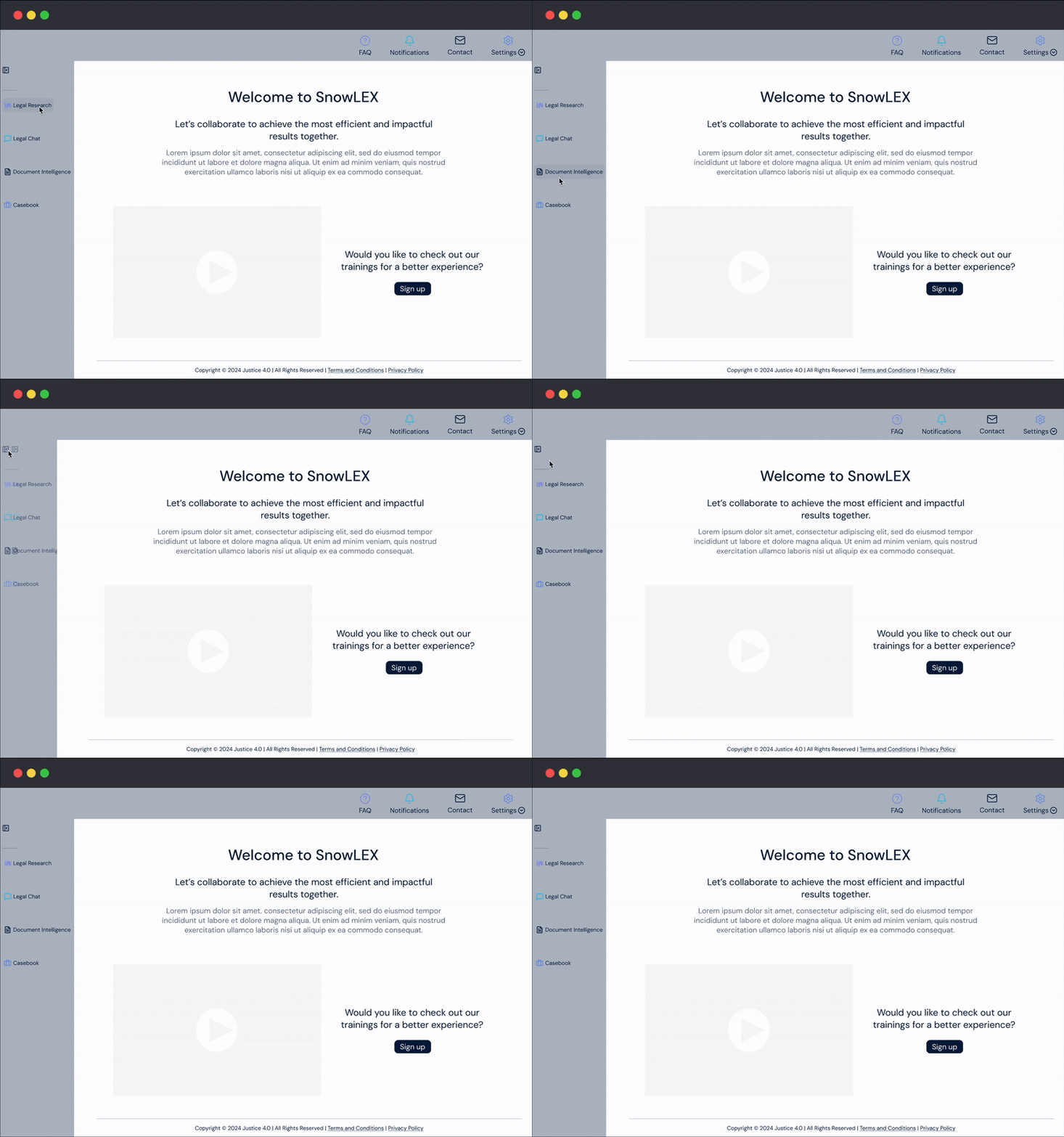
To support confidentiality and legal accuracy, the system allows users to view their login activity and active sessions, control data storage duration and permissions, and anonymize documents before processing.
Multi-Format Interaction Design
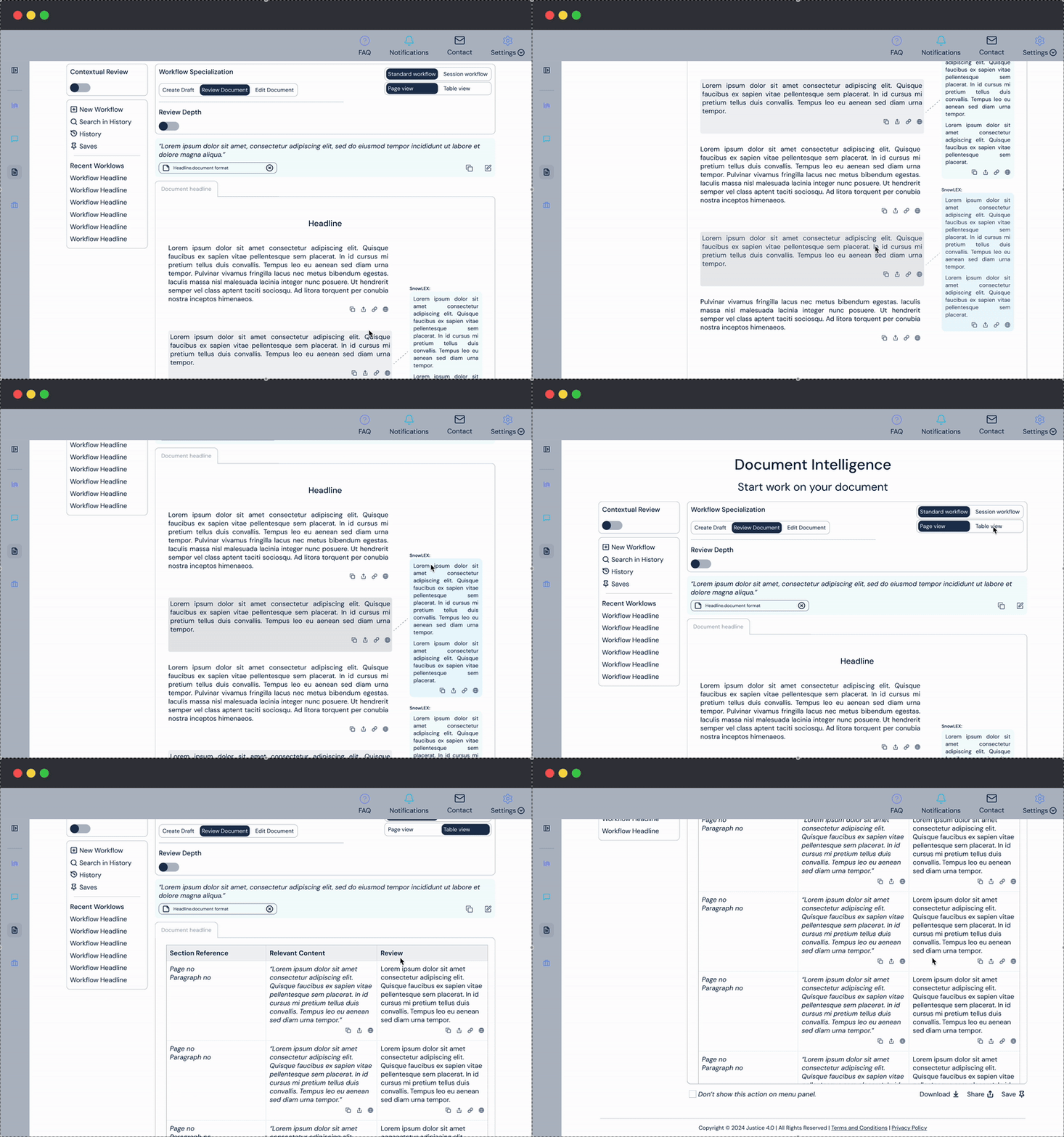
This design concept allows users to access their work and AI-generated outputs in multiple formats—such as page views, tables, and text layouts—so they can choose the structure that best supports their workflow and analysis needs.
Context-Aware Legal Adaptation
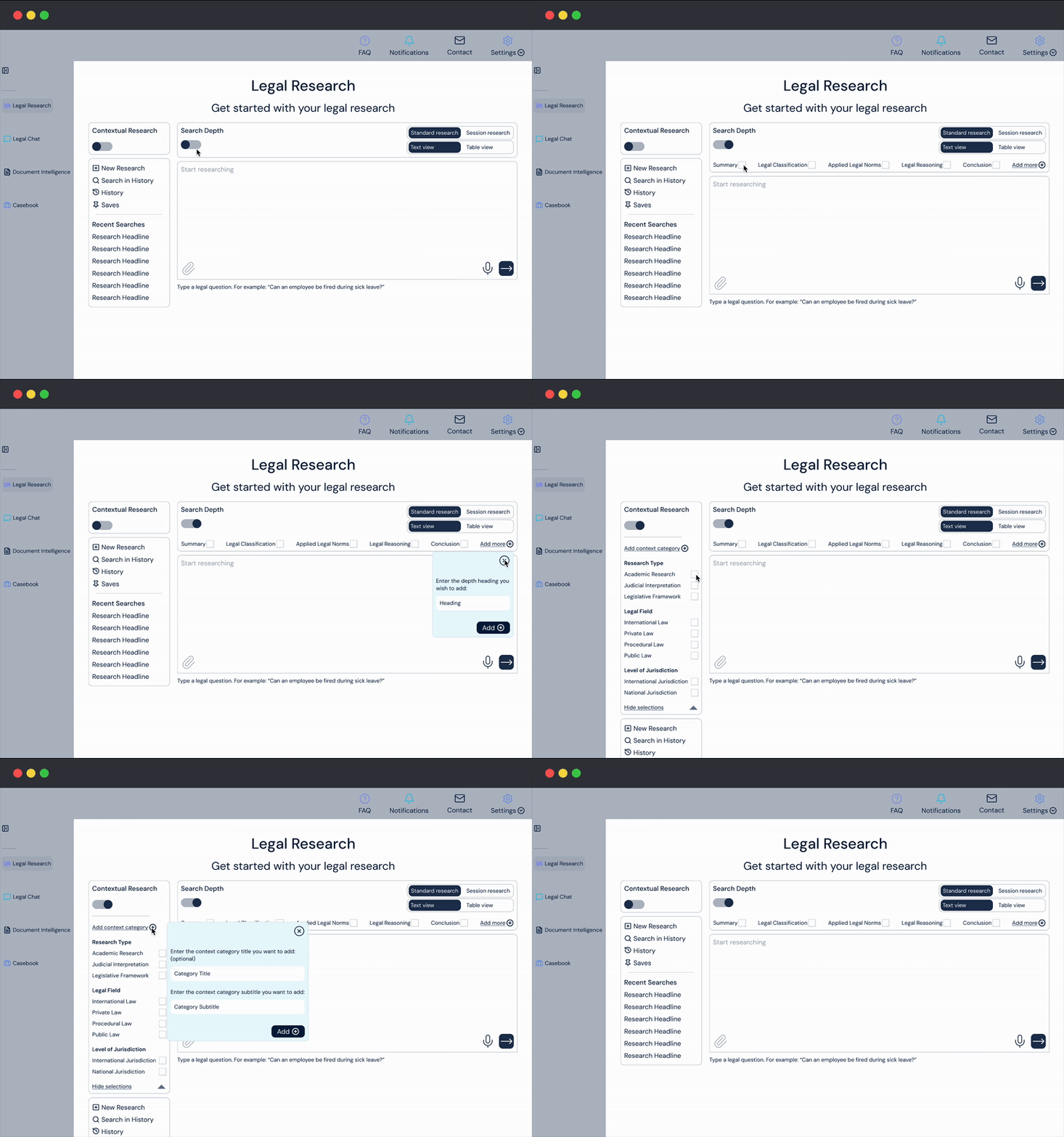
In this concept, users can tailor how the system adapts to different legal contexts by adjusting the depth of analysis across search, chat, and document tasks, defining their own preferences, and selecting the relevant legal domain or sub-field. The design also explores flexible contextual workflows that respond to these user-defined parameters.
Source Transparency & Verification
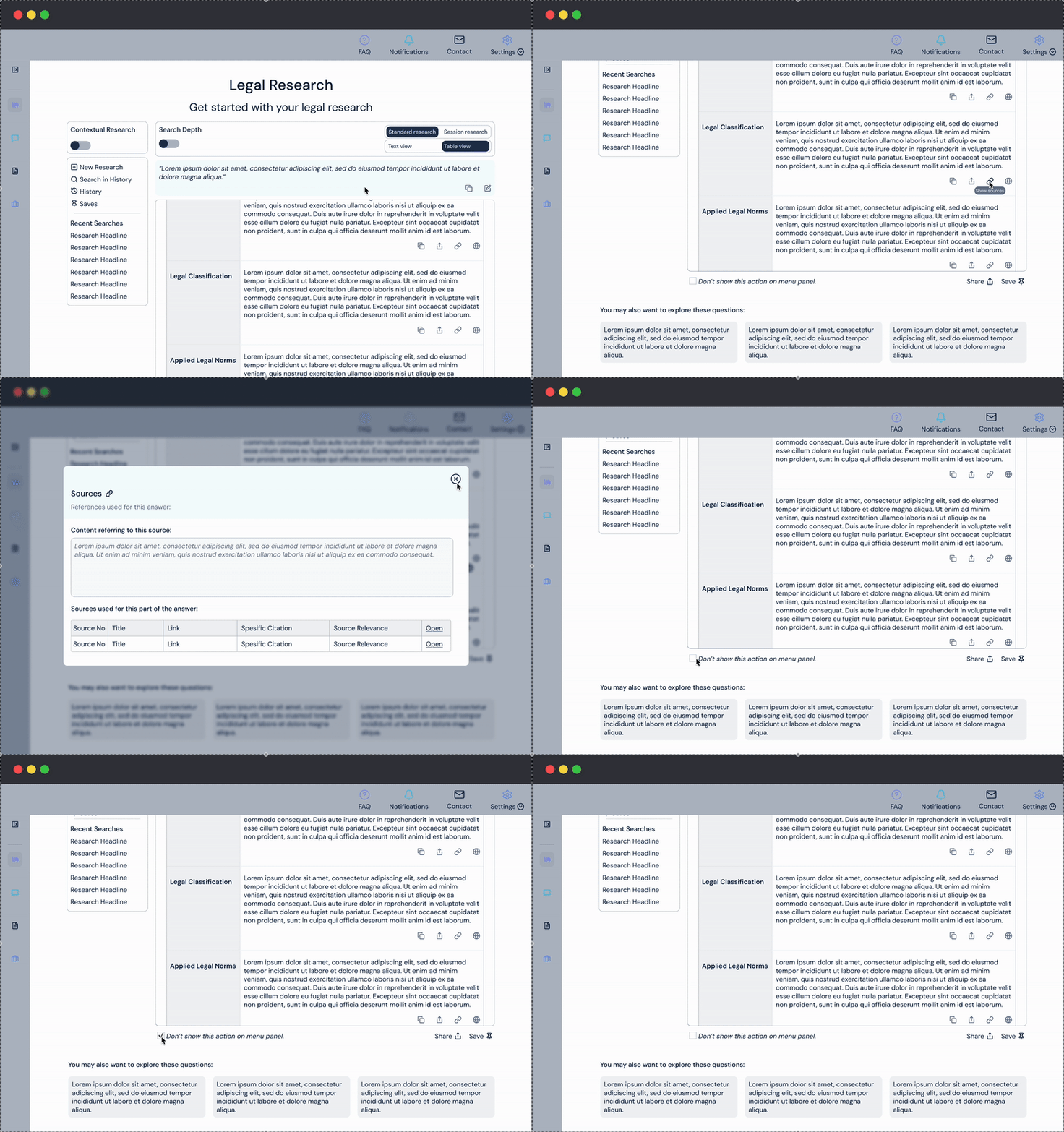
To address users’ need for source transparency, the design includes layouts that allow them to query, view, and access the underlying references for every AI response. Additionally, users can choose to hide their work from the main dashboard while still having full access when needed.
Casebook & Internal Data Management
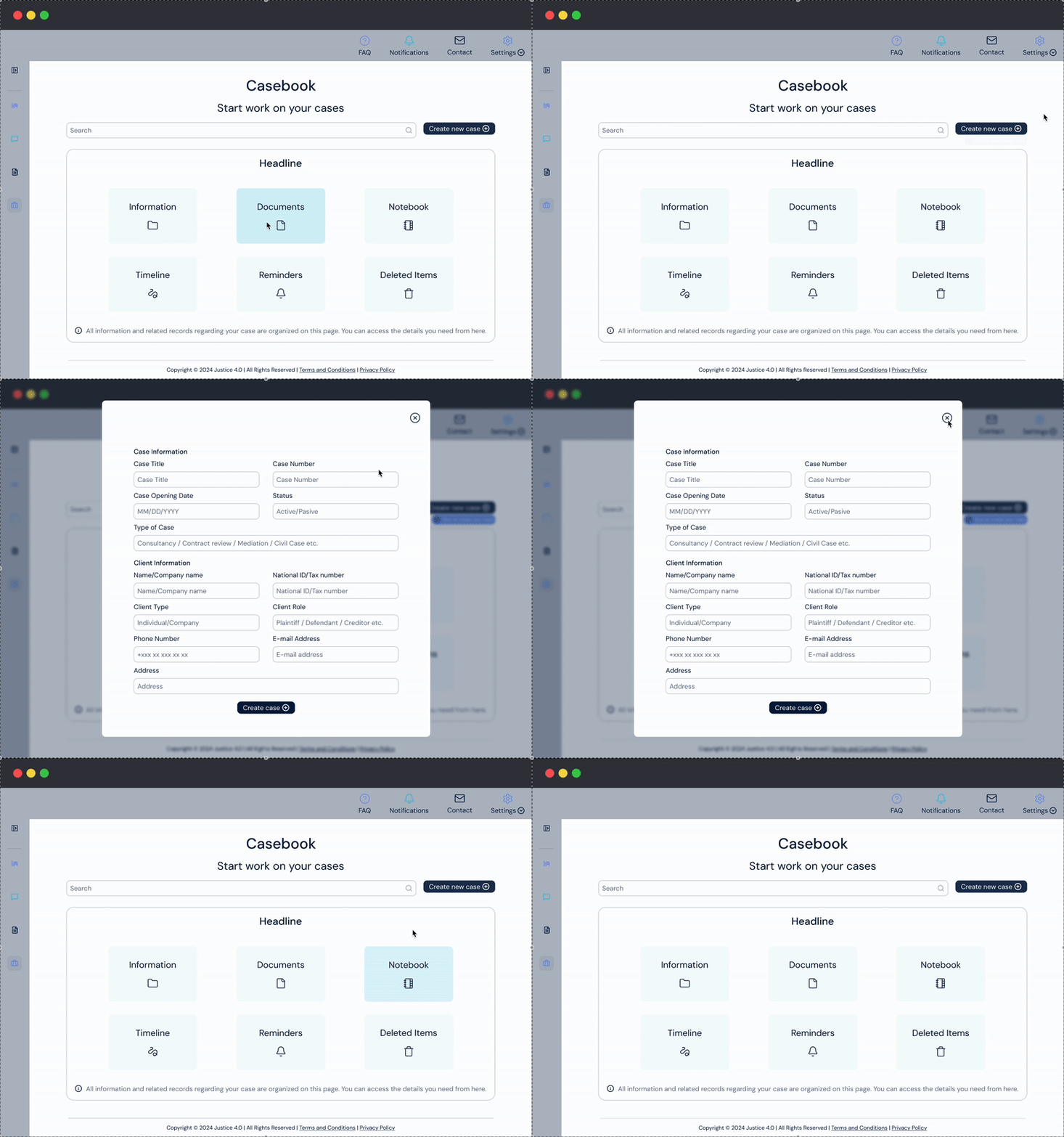
The design includes a Casebook section that allows users to gather their own documents, details, timelines, and reminders in one place, outlining how an AI-supported system could be structured to work alongside an organization’s internal information.
Conclusion
This project significantly shaped my understanding of designing AI-supported systems within complex professional contexts.
I realized that trust, transparency, and legal context must be intentionally designed into AI-supported systems.
I experienced that strong user control—such as data management, source visibility, adjustable analytical depth, and flexible interaction formats—is essential for building credible AI experiences.
I learned that combining a clear research plan with a semi-structured and flexible process enables deeper exploration and the discovery of new perspectives.
I observed that dynamic structures inspired by React state logic, together with continuous feedback, strengthen scenario-based and iterative design decisions.
I internalized that AI design extends beyond chat interfaces and requires structured, context-aware systems aligned with complex professional workflows.